The Blue Zones Diabetes Playbook
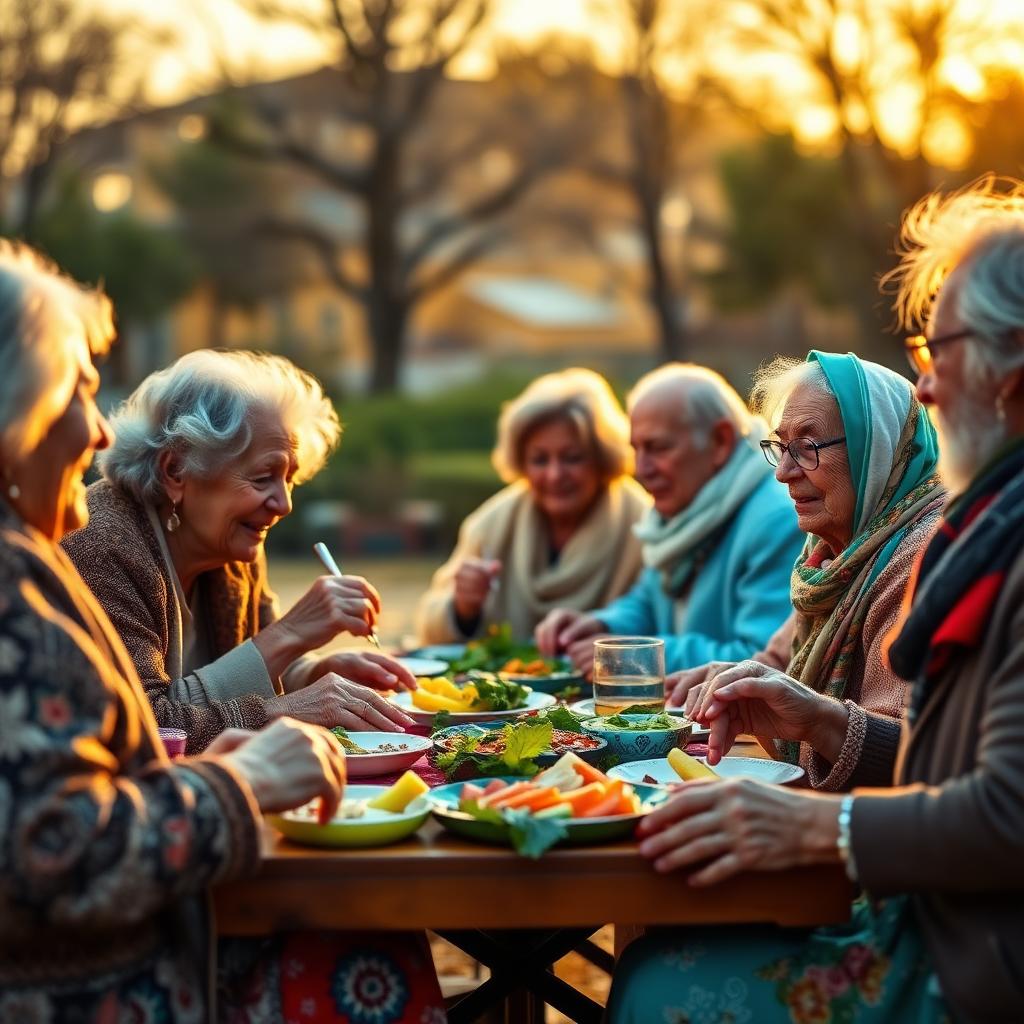
Five small regions produce a disproportionate share of the world's healthiest 90-year-olds, and remarkably low rates of type 2 diabetes. They eat different foods, but the pattern is strikingly similar: plants first, beans daily, whole grains, a modest amount of animal food, wine or tea with meals, and food that arrives at a table with people you love.
This isn't a diet. It's an operating system.
What the five Blue Zones actually eat
Ikaria, Greece, wild greens, olive oil, sourdough, lentils, chickpeas, fish twice a week, herbal tea, a small glass of red wine at dinner.
Okinawa, Japan, purple sweet potato, tofu, seaweed, bitter melon, miso soup, small amounts of pork, green tea. Historically ate until they were 80% full, hara hachi bu.
Sardinia, Italy, barley bread, pecorino from grass-fed sheep, fava beans, minestrone, Cannonau wine, garden vegetables walked to daily.
Nicoya, Costa Rica, the "three sisters" (corn, beans, squash), tropical fruit, hand-made tortillas from nixtamalized corn, small amounts of eggs and chicken.
Loma Linda, California (Seventh-day Adventists), a mostly plant-based diet, nuts as a daily snack, water as the main beverage, weekly rest.
The five things they all do
- Beans every day. A cup of beans, lentils, or chickpeas is the single most consistent food across every Blue Zone.
- Plants first, meat as garnish. Meat appears roughly five times per month, usually stretched across a stew.
- Whole, intact grains. Barley, oats, nixtamalized corn, brown rice, not refined flour.
- A stop-eating cue. Hara hachi bu. Small plates. Communal serving.
- Movement built into life. Gardens, hills, walking to a friend's house, not a gym.
Adapting Blue Zones to your culture
You don't have to eat Ikarian greens to get Ikarian results. The pattern travels, the ingredients change.
African diaspora, Black-eyed peas, collards, okra, sweet potato, fonio, millet. The Gullah-Geechee kitchen is a Blue Zone in disguise.
Latino/Caribbean, Beans and nixtamalized corn tortillas. Nopales, jicama, avocado, plantain (green, boiled), lime.
South Asian, Dal, chana, rajma, roti from whole wheat, bajra, or jowar. Watch white-rice portions.
East Asian, Tofu, edamame, seaweed, bitter melon, konjac, unpolished rice, green tea.
Middle Eastern / Mediterranean, Lentil soup, hummus, tabbouleh, olive oil, grilled fish, a walk after dinner.
Indigenous / First Nations, Bison, salmon, wild rice, beans, squash, corn, berries. The pre-contact diet is a Blue Zone diet.
A seven-day starter framework
- Daily anchor: 1 cup cooked beans.
- Daily plant plate: ½ of every meal is non-starchy vegetables.
- Daily walk: 20 minutes after your largest meal.
- Weekly meat cap: 3 servings of red meat max.
- Nightly cue: stop eating at 80% full.
Frequently asked questions
Q: Do I have to give up meat? A: No, just eat less, as a flavoring rather than the center.
Q: Is wine really okay? A: One small glass with dinner is common in Ikaria and Sardinia. If you don't drink, don't start.
Q: What if my culture isn't listed? A: Every food culture on earth has a Blue Zones version. The pattern is beans, plants, whole grains, community.