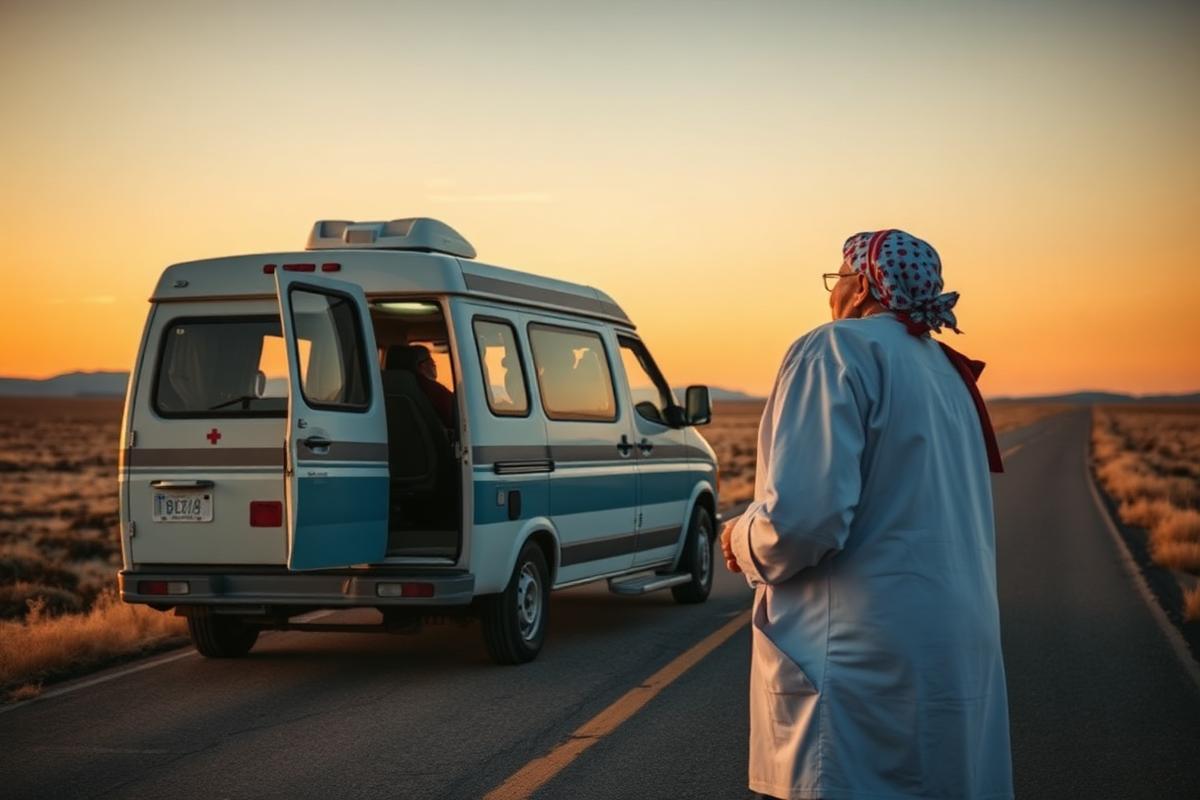
Standard diabetes care assumes proximity: quarterly visits, an endocrinologist referral, a dietitian, an eye clinic, a podiatrist, a pharmacy nearby. For many people in rural and tribal communities, that assumption collapses immediately.
The realistic goal is not to replicate an urban care model. It is to build a plan that survives distance, intermittent connectivity and limited local specialty services, and still catches complications early.
Diabetic retinopathy, kidney disease and foot ulcers are largely preventable when caught early. Distance should change how screening happens, never whether it happens.
Build the annual spine
Regardless of where you live, four things must happen every year. Write them on a calendar in January.
1. Eye screening. Retinal photography is increasingly available at primary care and IHS sites, with images read remotely. This removes the need to travel to an ophthalmologist for routine screening. Ask specifically: "Do you offer teleretinal screening here?"
2. Kidney testing. eGFR from a blood draw and urine albumin-to-creatinine ratio. Both can be done at any lab draw and are among the highest-value tests in diabetes care.
3. Foot examination. At every clinical visit, shoes and socks off. Between visits, a daily self-check, top, bottom, between the toes, using a mirror or phone camera if needed.
4. A1C, blood pressure, lipids. Bundle these into as few trips as possible.
Make the trip count
When you do travel to the clinic, plan it like a logistics operation:
- Book multiple appointments the same day, labs, eye screening, foot check, prescriptions.
- Bring your data: glucose log or app report, medication list, questions.
- Request 90-day prescriptions and mail-order refills to cut return trips.
- Ask for standing lab orders so you can get bloods drawn locally without a new appointment.
- Bring a family member to hold the second half of the conversation.
Use telehealth deliberately
Telehealth has expanded significantly and is well suited to diabetes, which is largely a data-and-conversation condition.
- Endocrinology and diabetes education consults work well remotely.
- Nutrition counselling works well remotely.
- Mental health support works well remotely.
- Medication adjustment works well remotely if you bring glucose data.
If bandwidth is poor, ask whether telephone visits are supported, many programs allow audio-only.
When connectivity is unreliable
Digital tools should degrade gracefully, not fail. Practical habits:
- Log offline. GLUCORAiQ stores entries locally and syncs when a connection returns, so a data gap in the valley does not become a gap in your record.
- Download reports before travelling.
- Keep a paper backup card with your medications, doses, allergies, provider name and emergency contacts.
- Store a photo of your medication list on your phone.
Supply resilience
Distance turns a small supply problem into an emergency.
- Keep a minimum two-week buffer of insulin, test strips, sensors and oral medication.
- Know how to store insulin without reliable refrigeration, unopened vials need refrigeration, but in-use insulin is typically stable at room temperature for a limited period; check the specific product guidance.
- Have a written sick-day plan: what to do if you cannot eat, when to check ketones, and when to seek emergency care.
- Identify the nearest emergency department and how long it takes to reach it. Know this before you need it.
A written sick-day plan is one of the most underused safety tools in diabetes. Vomiting plus high glucose in someone using insulin is a potential emergency, decide the thresholds in advance, with your clinician.
Community-level solutions
Individual planning only goes so far. The programs that consistently work in rural and tribal settings are collective:
- Community health representatives and health aides who bridge clinic and home
- Group diabetes education and shared medical appointments
- Community walking, running and gardening programs
- Transportation support programs, often available and frequently unknown to patients
- Local pharmacy partnerships for refills and injection training
Ask what exists. Many tribal health programs offer transport, home visits and education services that are simply under-advertised.
Frequently asked questions
Can eye screening really be done without an eye specialist?
Yes. Teleretinal screening captures retinal images at a primary care or tribal clinic and sends them to a specialist for reading. It is validated, widely deployed, and dramatically improves screening rates in rural areas.
How much medication buffer should I keep?
At least two weeks beyond your expected refill, more if weather or road conditions can cut off access seasonally. Discuss extended supplies with your prescriber and pharmacy.
What should be in a sick-day plan?
Typically: continue taking insulin unless told otherwise, check glucose more frequently, check ketones if using insulin and glucose is high, maintain fluids, and clear thresholds for when to call the clinic or go to the emergency department. Have your clinician write yours.
Does the app work without internet?
Yes. Entries are stored on your device and sync automatically once connectivity returns, so you can log glucose, meals and medication offline.
Is transportation help available?
Often, yes, through tribal health programs, Medicaid non-emergency medical transportation, and local community services. Ask your clinic directly; these programs are frequently underused.
Educational content only. Not medical advice. Work with your healthcare provider to build your individual screening and sick-day plans.