Type 2 diabetes was rare in most Indigenous communities across North America a century ago. Today, American Indian and Alaska Native adults have among the highest rates of diagnosed diabetes of any population group in the United States, and similar patterns appear in First Nations, Métis and Inuit communities in Canada.
A population's genes do not change in three generations. The food system does.
The rise of diabetes in Indigenous communities tracks the loss of traditional food systems, displacement from hunting, fishing and gathering lands, and replacement by commodity rations of white flour, lard, sugar and canned goods.
What actually happened
Forced relocation removed communities from the lands that produced their food. Treaty rations and commodity programs supplied refined flour, sugar, lard, salt and shelf-stable processed goods. Fishing rights were restricted, bison were destroyed, gardens were displaced, and boarding schools severed the transmission of food knowledge between generations.
Frybread, often cited as traditional, is a food of survival born from those rations, and it is remembered both with love and with grief.
Layered onto this are the ongoing realities of food deserts on many reservations, where the nearest full grocery store may be an hour's drive, while a gas station selling soda and chips is five minutes away.
Understanding this history matters clinically, because it relocates the cause from personal failure to systemic disruption, and it points at the intervention.
Traditional foods as metabolic medicine
The foods that Indigenous communities ate before disruption are, almost without exception, exactly what modern diabetes nutrition recommends: high protein, high fiber, low glycemic load, minimally processed.
- Wild and lean proteins: salmon, whitefish, venison, elk, bison, rabbit, waterfowl, seal and caribou in the north.
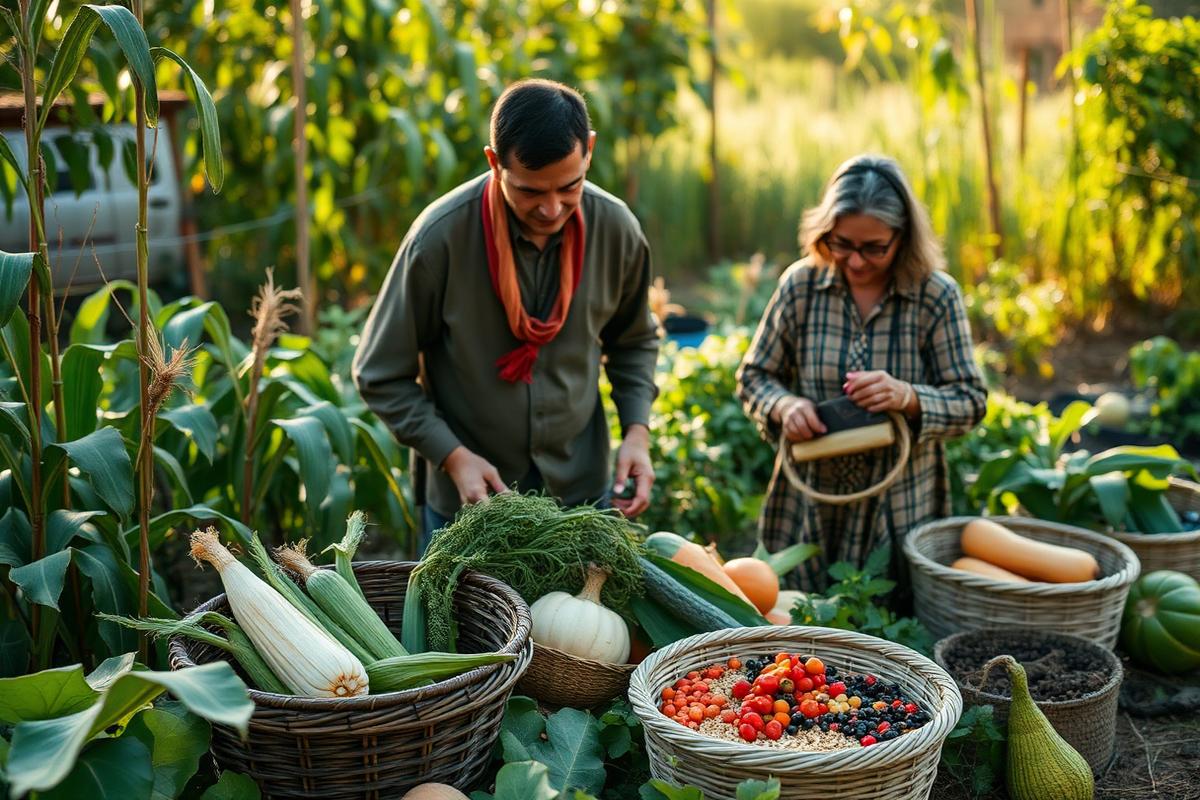
- The Three Sisters: corn, beans and squash, a combination that provides complete protein, substantial fiber and slow-release carbohydrate.
- Wild plants: wild rice (manoomin), berries, chokecherries, wild greens, camas, prickly pear, mesquite, acorn.
- Marine and lake foods: rich in omega-3 fatty acids, associated with better lipid profiles and reduced cardiovascular risk.
Research on traditional-diet interventions in Indigenous communities has consistently found improvements in glucose, weight and lipids, alongside something no pharmaceutical delivers: cultural reconnection and community pride.
Food sovereignty in practice
Food sovereignty means a community's right to define its own food system. On the ground, that looks like:
- Community gardens and Three Sisters plots run through tribal programs and schools.
- Hunting, fishing and gathering rights exercised and defended, with harvest-sharing networks for elders.
- Tribal food distribution reform, the Food Distribution Program on Indian Reservations has expanded fresh produce and traditional food options in recent years.
- Buffalo restoration programs, which return both an ecological keystone and a lean, culturally significant protein.
- Community kitchens and knowledge transfer, where elders teach preparation methods to young people.
- Tribal water and soda policies, tackling one of the most concentrated sources of added sugar.
Sugar-sweetened beverages are among the largest single contributors of added sugar in many Indigenous communities. Reliable access to clean drinking water is, in several communities, a diabetes intervention.
Where clinical care fits
Traditional food reclamation is not a replacement for medical care, and the burden of complications is real: Indigenous adults face disproportionately high rates of diabetic kidney disease, retinopathy and amputation.
Non-negotiables:
- Annual eye exam (dilated retinal screening)
- Annual kidney testing, eGFR and urine albumin-to-creatinine ratio
- Foot checks at every visit, and self-checks daily
- Blood pressure and lipids managed as aggressively as glucose
- A1C reviewed at least twice yearly
Encouragingly, the Special Diabetes Program for Indians has been associated with substantial declines in diabetic kidney failure rates, evidence that sustained, community-based, culturally grounded programs work when they are funded.
For individuals and families
- Add one traditional food per week rather than overhauling everything at once.
- Replace soda with water first; it is the highest-yield single change available.
- Cook and freeze in batches when fresh food is a long drive away.
- Involve youth in harvesting and preparation, knowledge that is used is knowledge that survives.
- Walk together. Community walking groups outperform individual resolutions everywhere they have been studied.
Frequently asked questions
Is there an Indigenous "thrifty gene" that causes diabetes?
The thrifty gene hypothesis has been widely criticized and is not supported as a sufficient explanation. Rates were low before food systems were disrupted, and vary considerably between communities with similar ancestry. Environment, food access and historical trauma carry far more explanatory weight.
Can I still eat frybread?
It carries real cultural meaning, and few things are worth banning outright. Treat it as an occasional food rather than a staple, pair it with protein and vegetables, and consider baked variations. Context and frequency matter more than a single meal.
What if there is no grocery store nearby?
Frozen vegetables, canned fish, dried beans and frozen berries are shelf-stable, affordable and nutritionally strong. Batch cooking and community buying clubs help. Many tribal programs now support fresh food access, ask what exists locally.
Are traditional-diet programs proven to help?
Studies of traditional food interventions in Indigenous communities have reported improvements in glucose, weight and lipids, along with strong engagement. Evidence quality varies, but the direction is consistent and the cultural benefits are substantial.
How often should complications be screened?
Generally at least annually for eyes and kidneys, and feet at every clinical visit, with more frequent checks if abnormalities are found. Given elevated complication rates, do not let these slip.
Educational content only. Not medical advice. Work with your healthcare provider or tribal health program on your individual care plan.