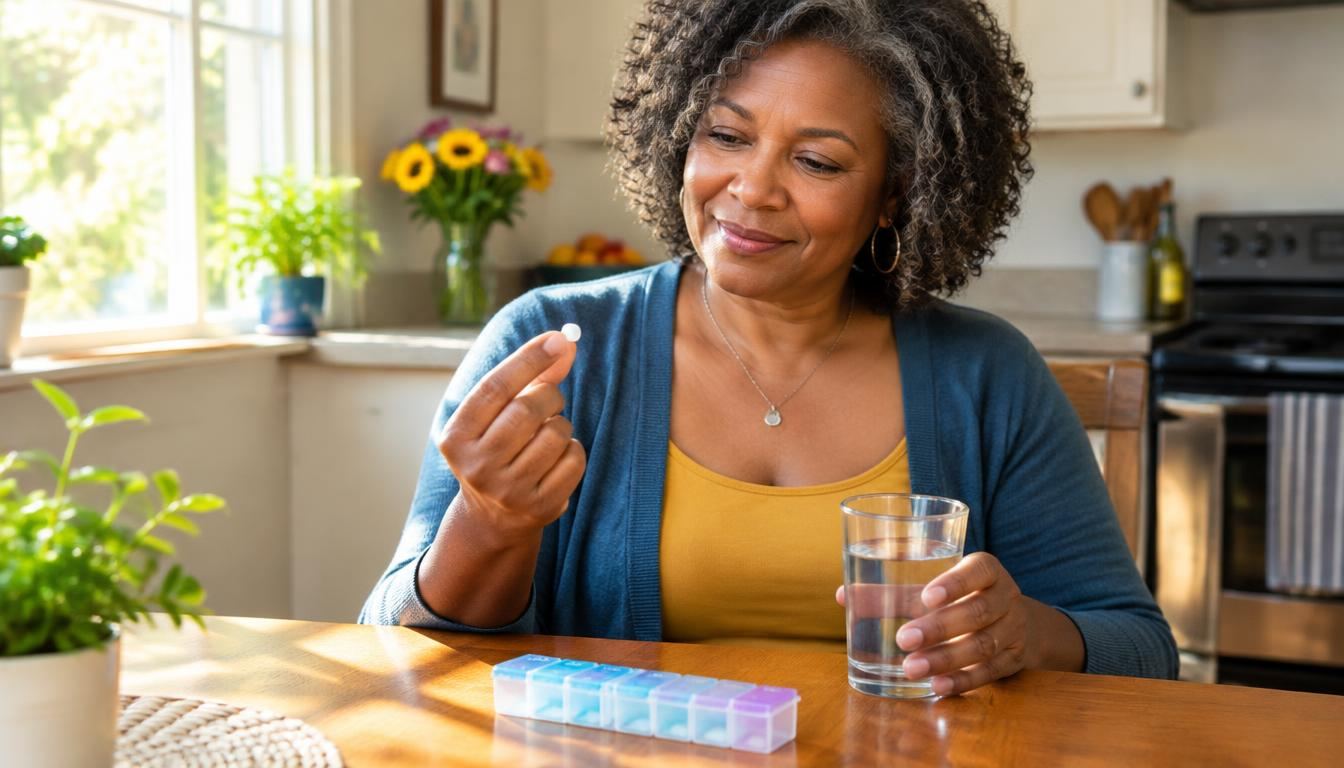
Searches for "GLP-1 pill" and "Ozempic in pill form" have climbed all year. For many people, the idea of a daily tablet instead of a weekly injection feels like a real door opening. This guide explains what is available, what is still in trials, and how to talk with your care team about whether a pill fits your life.
How a GLP-1 pill works
GLP-1 is a gut hormone that helps the pancreas release insulin when glucose rises, slows how fast the stomach empties, and quiets appetite signals in the brain. Injectable medicines mimic this hormone. The challenge with a pill is that the stomach normally breaks down peptides before they can be absorbed.
Oral semaglutide solves this with an absorption enhancer, which is why it comes with instructions to take it on an empty stomach with a small sip of water and wait before eating. Newer small-molecule pills are designed differently, so they may not need the same strict routine. Ask your pharmacist exactly how your prescription should be taken, because the rules are not the same for every product.
If you take oral semaglutide, the timing rules matter. Taking it with breakfast or a full glass of water can reduce how much medicine your body absorbs.
Pill or injection: an honest comparison
| Daily pill | Weekly injection | |
|---|---|---|
| Routine | Every morning, timing rules | Once a week |
| Needle | None | Small pen needle |
| Missed dose impact | One day | Several days of planning |
| Travel | Easy, no refrigeration for most | Pens may need cool storage |
| Side effects | Similar GI effects | Similar GI effects |
Neither form is better for everyone. People who dislike needles, travel often, or care for someone who cannot manage pens may prefer tablets. People who struggle with daily routines often find a weekly shot easier to remember.
Who should be careful
GLP-1 medicines are not right for everyone. Your clinician will usually ask about a personal or family history of medullary thyroid cancer or MEN2, past pancreatitis, gallbladder problems, kidney function, pregnancy plans, and diabetic eye disease. If you also use insulin or a sulfonylurea, your doses may need adjusting to prevent lows.
Cost and coverage
Prices and insurance rules change often. Before switching, ask your pharmacy to run a test claim, check manufacturer savings programs, and ask whether your plan prefers a specific product. Our guide to patient assistance programs walks through options.
Try it in GLUCORAiQ™
Predict your next 2 hours with Glucose iQ
Log a meal or reading and see the likely glucose curve before it happens.
Making the most of any GLP-1
- Eat protein first. Aim for a palm-sized portion at each meal so smaller appetites still meet muscle needs.
- Lift something twice a week. Bands, dumbbells or bodyweight squats all count. See our muscle on GLP-1 guide.
- Hydrate early in the day. Reduced thirst and slower digestion can lead to constipation.
- Track glucose and symptoms together. Patterns help your clinician adjust dose pace.
Try it in GLUCORAiQ™
Scan your plate with Meal iQ
Snap a photo of tonight's dinner and get carbs, fiber, protein and a culturally aware swap.
Frequently asked questions
Is an oral GLP-1 as effective as an injection?
Results depend on the specific medicine and dose. In trials, some oral options produced A1C and weight changes comparable to certain injections, while others were more modest. Your clinician can compare the data for the products available to you.
Can I switch from Ozempic to a pill?
Sometimes. Switching needs a plan for dose conversion and timing, so never stop or swap on your own.
Do GLP-1 pills cause the same nausea?
Yes, digestive side effects are common with both forms, especially during dose increases. Smaller meals and slower eating often help.
Are compounded GLP-1 pills safe?
Compounded products are not reviewed the same way as approved medicines. Read our compounded semaglutide guide before considering them.
This article is educational and is not medical advice. Talk with your clinician or pharmacist before changing any medication, supplement or exercise plan.